

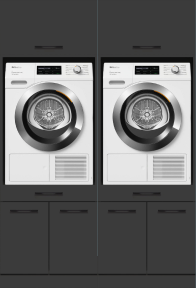
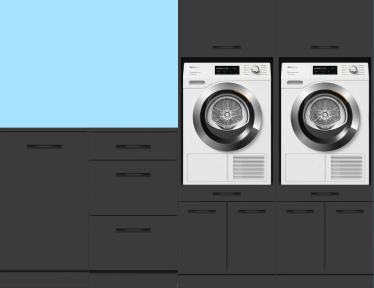
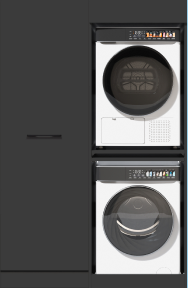
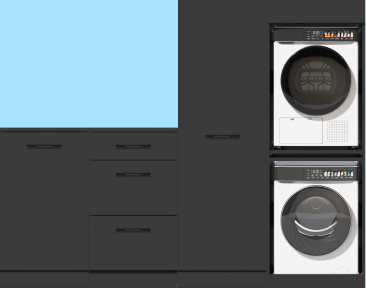
Do you want to make your laundry space neat, quiet, and practical with an IKEA washing machine enclosure hack? With a smart combination of IKEA cabinets, a countertop, and vibration dampers, you can build a safe and attractive enclosure that fits your space and budget. Below you’ll find concrete hack ideas, a short step-by-step plan, and the key rules for ventilation, load capacity, and noise. Ready to get started? Check out the Step-by-step guide: placing a washing machine in a cabinet.
Smart hack ideas with METOD, BESTA, and ENHET
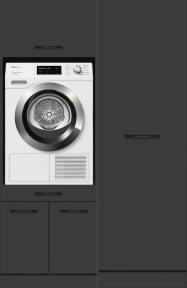
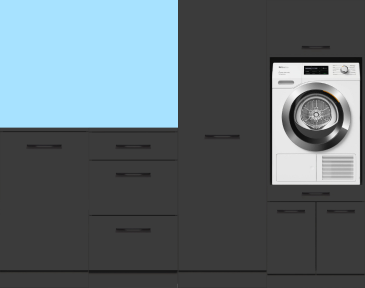
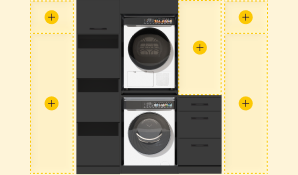
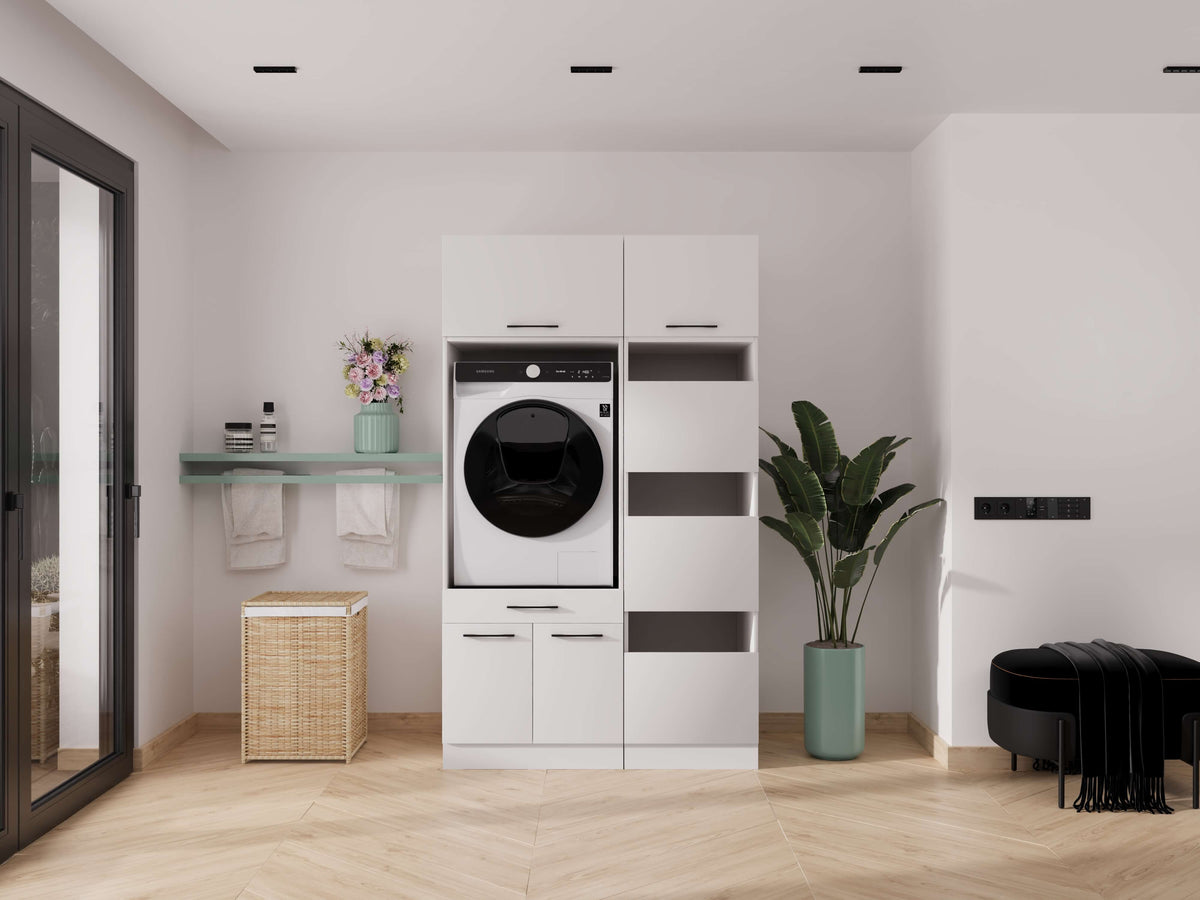
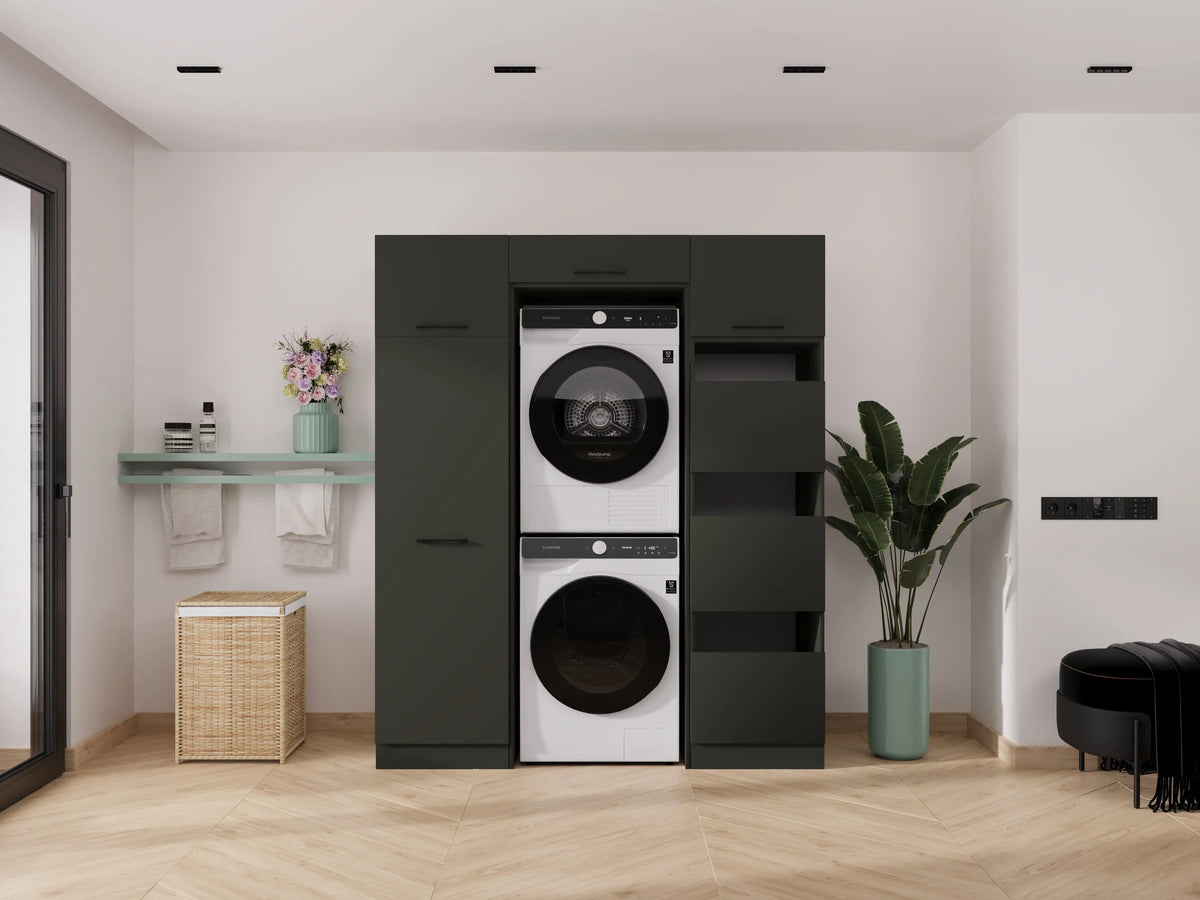
METOD is the most flexible for a washing machine enclosure: you use kitchen cabinets as sides and base, with a countertop above for folding or a sink. ENHET is ideal for small spaces thanks to open frames and modular shelves. BESTA can serve as a front or side panel but has less load capacity, so use it mainly for framing and storage, not as a load-bearing structure. Under a sloped roof, you can combine shallow cabinets with a filler panel and a custom countertop. Preferably place the dryer on top of the washing machine with a stacking kit or side by side with a continuous countertop for extra workspace. For additional storage, cabinets above the washing machine are a smart addition. Using kitchen cabinets as a base? Read the do’s & don’ts in Can I place a washing machine in a kitchen cabinet?. Prefer a warm, furniture-like finish? Consider Wooden washing machine cabinets as a base for your enclosure.
- METOD base cabinets as sturdy side walls, with a 28-38 mm countertop.
- Open ENHET rack for baskets, detergent, and ventilation.
- Fronts aligned with your kitchen or bathroom for a calm look.
Quick step-by-step plan
- Measure and plan: measure appliance width, height, door swing, and connection points. Allow 2-3 cm clearance all around.
- Build the base: place two solid side walls or cabinets, level and firmly anchored to the wall. A raised setup can be achieved with Washing machine base cabinets.
- Create support: install a sturdy beam or crossbars for the countertop, not on the washing machine.
- Mount the countertop: cut openings for hose and plug. Attach with angle brackets and seal to prevent vibrations.
- Add ventilation: leave the back open, place vents in the front or side panel, and keep the plinth open or perforated.
- Dampen vibrations: level the washing machine, use rubber dampers, and secure pipes against resonance.
- Finish: install fronts, add storage bins, and test for noise and heat dissipation during spinning.
Ventilation, load capacity, and vibrations
A good IKEA washing machine enclosure hack depends on proper technique. Always ensure free airflow behind and under the machines. Use solid side panels or cabinets and anchor them to a load-bearing wall. The countertop only supports itself and accessories, never the weight of the washing machine. For dryers, a stacking kit or separate stand is mandatory. Place the appliances completely level, adjust the feet, and use rubber pads to break vibrations. Secure pipes and drains with clamps so they don’t vibrate along. Leave at least 5 cm space behind the appliances for hoses and plugs and keep 2-3 cm clearance around to prevent contact noise. Read more about airflow and heat dissipation in Ventilation for a washing machine cabinet.
FAQ
Can you place a washing machine in an IKEA cabinet?
Yes, but not floating or load-bearing. Use cabinets or side panels as an enclosure and let the washing machine stand on the floor. The countertop and cabinet do not bear the weight of the appliance.
What dimensions should I follow?
Allow for an appliance width of 60 cm plus 2-3 cm clearance. Keep 5 cm of space behind for hoses and plug and at least 2 cm above the machine. For a dryer on top, use a stacking kit.
Don’t want a DIY project or does an IKEA hack not work in your space? Check out IKEA washing machine cabinet alternatives for ready-made options with high load capacity and easy assembly.

Leave a comment
This site is protected by hCaptcha and the hCaptcha Privacy Policy and Terms of Service apply.