

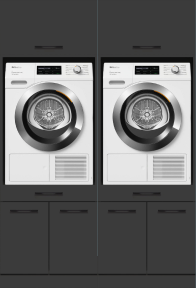
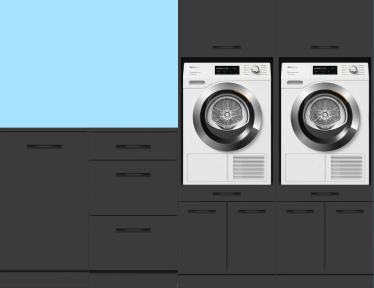
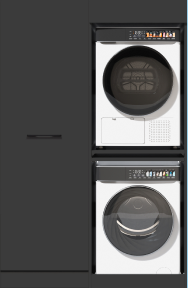
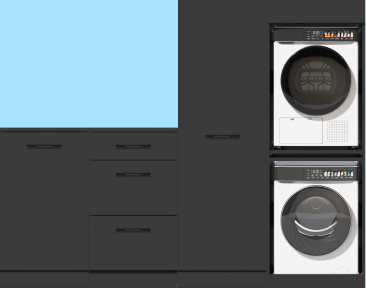
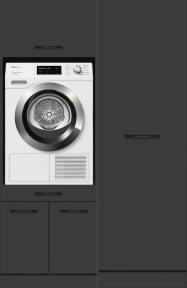
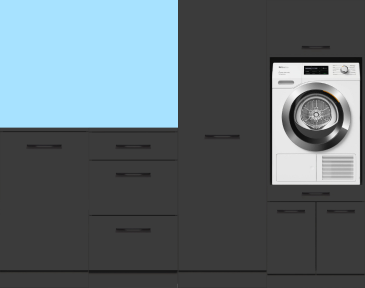
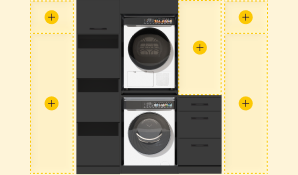
A washing machine cabinet looks sleek, but without proper ventilation, you risk overheating, moisture problems, and unnecessary noise. Especially with a setup that includes both a washing machine and dryer, heat quickly builds up. With the right air circulation, ventilation grilles, and minimum clearances, you can keep your appliances running safely, quietly, and energy-efficiently. This guide provides concrete guidelines and practical tips, plus how to apply them directly with Wasdroom washing machine cabinets.
Why good air circulation is essential
Ventilation in a washing machine cabinet prevents heat buildup and cooling issues for both the washing machine and dryer. If warm air is not expelled quickly enough, sensors and electronics can get hotter than intended, programs may unnecessarily extend, and energy consumption rises. Moisture that cannot escape condenses inside the cabinet, causing mold and musty odors that linger in your laundry area. It’s also a safety issue. Manufacturers specify minimum clearance and ventilation requirements. Closing off the cabinet or blocking airflow can, in the worst case, void warranties or insurance. Especially when using a heat pump or condenser dryer, supplying cool air and removing warm, moist air is crucial. Placing the washing machine cabinet in the bathroom? Then also read Washing machine cabinet in the bathroom: safety and regulations. Thoughtful air circulation extends appliance lifespan, keeps laundry fresher, and makes everything noticeably quieter.
Open or closed cabinet: how to ensure air circulation
An open niche naturally offers the best ventilation. If you choose a washing machine in a closed cabinet with doors, make sure air can flow freely. An open back panel is most effective because warm air can escape directly and cool air can enter. If a fully open back is not possible, integrate ventilation grilles or slots both low and high in the cabinet. Low for cool air intake, high for warm, moist air exhaust. Leave space between the setup and the back wall so hoses and cables don’t get pinched and airflow isn’t blocked. Preferably keep the door slightly ajar during use or work with ample ventilation openings in the door panel, especially when the washing machine is behind a cabinet door. If you place a dryer on top of the washing machine, provide extra intake air for the dryer and ensure warm air can exit the cabinet. Route cables and drain hoses along the side or through cutouts so they don’t obstruct airflow. Always check your appliance manuals, as minimum clearances and ventilation requirements can vary by brand.
Practical guidelines for clearances and ventilation points
Allow at least a few centimeters of free space around the washing machine in the cabinet. As a rule of thumb, about 5 cm space behind the washing machine works well, 2 cm on each side, plus extra free space above the washing machine for warm air rising. In a closed cabinet, preferably place ventilation openings on two levels: low at the front or side for cool air intake, and high at the back or in the door for exhaust. An open back panel remains the most efficient solution. Level the appliances so they don’t tilt forward and keep air channels clear. Reduce moisture in the cabinet by leaving the door or niche open briefly after washing and drying, drying the door seal, and leaving the washing machine drum door slightly ajar. Neatly route hoses and cords along the side and avoid bundles behind the machine. Always consult your manufacturer’s installation requirements for exact minimum clearances and ventilation openings.
Vibrations and noise: what to place under your washing machine
Quiet and stable washing starts with a flat, sturdy surface. Adjust the feet to level and secure them so the machine can’t move. A thin anti-vibration mat can help dampen vibrations, but never place a thick carpet under your appliances. If stacking a dryer on the washing machine, use a suitable stacking kit. Secure the washing machine cabinet firmly to the wall so the structure doesn’t amplify movement. Check that transport bolts have been removed on new machines and distribute the load evenly in the drum to prevent imbalance.
How to achieve this with Wasdroom washing machine cabinets
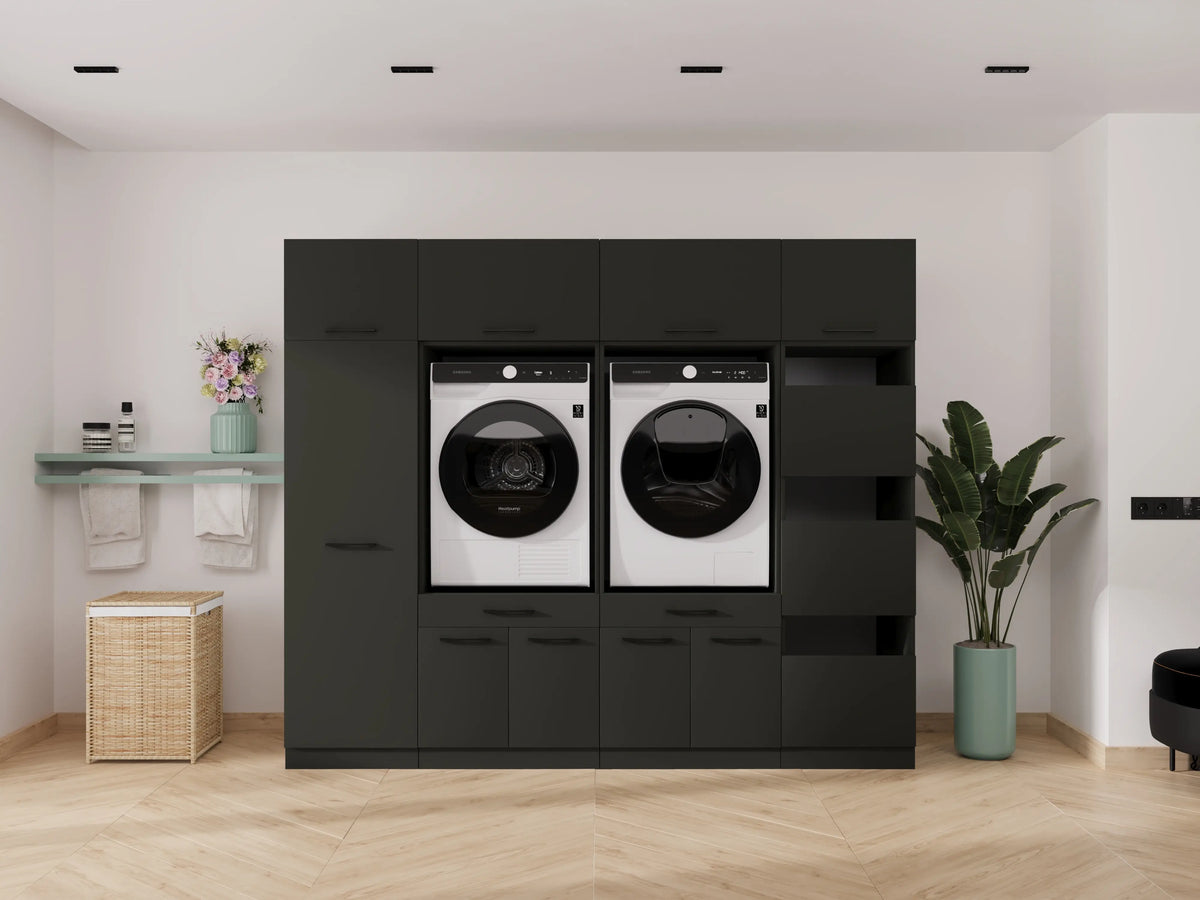
Wasdroom cabinets are designed with ventilation in mind. You can choose from open niches or cabinets with open back panels and integrated ventilation openings, ensuring air intake and exhaust. The construction is robust and suitable for heavy setups, with a load capacity of up to 240 kg (Double) or 120 kg (Single and Stack) per cabinet. Installation is simple, and you get a 10-year warranty. Placement tips and manuals provide concrete advice on free space, ventilation opening positions, and cable management. Also read what a washing machine cabinet must comply with. If you’re unsure about your situation, such as a narrow niche or combination with a heat pump dryer, our team can provide personalized ventilation advice. This way, you combine a sleek laundry space with safe air circulation and minimal noise without compromising capacity or ease of use.
Frequently Asked Questions
Does a washing machine need ventilation?
Yes. Both washing machines and dryers produce heat and moisture. Without air circulation, the temperature inside the cabinet rises, moisture increases, and performance, lifespan, and safety deteriorate.
How much space should be between the washing machine and the wall?
As a general guideline, 5 cm behind the machine and about 2 cm on each side works well. Always check your brand’s manual for exact minimum clearances.
Can a washing machine be placed inside a cabinet?
Yes, provided you ensure ventilation, maintain sufficient free space, level the machine, and keep connections accessible. Secure the cabinet firmly and follow the manufacturer’s installation requirements.
What should you place under a washing machine to reduce vibrations?
A flat floor and properly adjusted feet are most important. A thin anti-vibration mat can help. Do not place a thick rug or foam that could amplify movement.
How can I safely lift my washing machine into the cabinet?
Lift with two people, use lifting straps or a hand truck, and avoid twisting hoses. Remove transport bolts only after placement. Consult a professional if in doubt.
How do I optimally ventilate a damp laundry room?
Ensure intake of cool air and exhaust of warm, moist air via grilles or mechanical ventilation. Leave doors slightly open after use and dry seals and filters after each cycle.
Leave a comment
This site is protected by hCaptcha and the hCaptcha Privacy Policy and Terms of Service apply.