


The correct height of your washing machine connection prevents backflow, unnecessary pump strain, and leaks. As a rule of thumb, the drain should be 60 to 100 cm above the floor. Place the tap so it is easy to reach and connect the hose correctly. This guide provides practical guidelines that work in most situations, plus what to watch for per brand. Ergonomics also matter: a good working height prevents unnecessary bending and discomfort. Read more in Ergonomic working height: less bending when doing laundry.
Ideal height of the drain
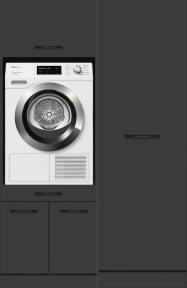
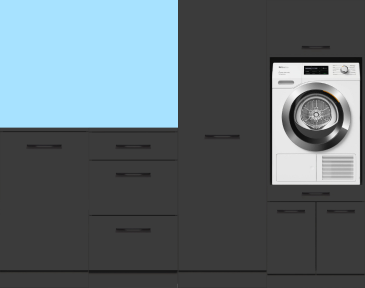
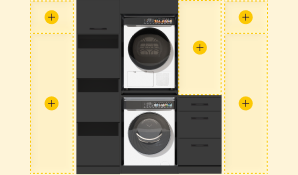
For most washing machines, a drain height between 60 and 100 cm above the floor works best. Lower than 60 cm increases the chance of backflow, which can cause your program to stop. Higher than 100 cm puts more strain on the pump and can cause malfunctions or incomplete draining. If your washing machine is on a pedestal or in a washing machine cabinet, let the drain height increase accordingly. Want to raise the appliance? See Washing machine cabinets to raise your connection. Preferably use a standpipe with a 40 mm diameter or a siphon with a special washing machine connection. Keep the top edge of the drain at height, not the bottom, and ensure the drain pipe can ventilate freely.
Follow your brand’s manual
Always check the installation requirements in the manual. Some manufacturers specify a slightly narrower range or specific requirements for the hose guide. Follow those values if they differ. Note the type plate and keep the installation manual for service cases. If you deviate from standards or have specific situations, see Combining separate cabinets: determining the right height.
Correctly connecting the drain hose
Use the supplied hose holder and clamp the hose firmly to the standpipe or siphon. Run the hose as straight as possible, without kinks or sharp bends. Insert the hose 10 to 15 cm into the drain pipe and do not make the connection airtight, so ventilation remains and the siphon can do its job. If you have a standpipe, place the U-bracket at the correct height and secure it with a strap. If connecting to a siphon, use the ribbed nipple with sealing ring intended for washing machines.
Avoid extensions if not necessary. If you must extend, use an extension with a coupling and double hose clamps and test for leaks. Level the machine, check the hose route again, and run a test program to check for leaks and proper drainage. If you share the drain with a dryer condensate drain, use a Y-piece with a non-return valve to prevent backflow. For step-by-step help, see Installation and connection manuals.
Tap and supply hose: accessibility and height
Preferably place the water tap next to the washing machine, not directly behind it. This way you can easily close the tap when absent or during maintenance. In practice, the tap is often placed slightly above the top of the machine, usually around 1.0 to 1.2 m from the floor. Lower is allowed as long as the hose can run without kinks and the tap remains easily accessible. Install a check valve or washing machine tap with backflow protection and use the supplied rubber ring in the hose nut to prevent dripping. After opening the tap, check for leaks at the tap and machine inlet. For a well-thought-out layout and guideline measurements, see Setting up the laundry room: optimal connection and working height.
Aquastop or regular hose
A regular supply hose generally has no specific height requirement as long as there are no kinks. An aquastop hose has a safety valve on the tap side and is heavier and stiffer. Ensure there is enough space next to the machine to let the block hang straight and that the tap remains easily accessible for closing and testing. Some brands require vertical mounting of the aquastop and flushing the line before first use. Check the manual for any special requirements or test procedures.
Frequently asked questions
What is the minimum and maximum height for the washing machine drain?
The guideline is 60 to 100 cm above the floor. Lower increases the chance of backflow; higher can overload the pump. If your machine is elevated, raise the drain accordingly.
How far should the drain hose be inserted into the pipe?
Insert the hose 10 to 15 cm into the standpipe. Secure with a bracket or strap and do not make the connection airtight, so the drain can ventilate and no siphoning effect occurs.
My drain is lower than 60 cm. What now?
Install a higher standpipe or have the drain relocated to 60 to 100 cm. Temporary solutions like extra loops in the hose are unreliable and can cause malfunctions or leaks. If you cannot adjust the pipe, consider Stacking solutions for extra height so the effective drain height falls within the guideline.
Can I connect the washing machine to the sink siphon?
Yes, provided you use a siphon with a washing machine connection and the net connection height is within 60 to 100 cm. Always use the correct nipple with sealing ring and avoid kinks in the hose.

