


Ironing linen doesn't have to be difficult once you know what the fabric needs. This natural fiber creases easily, but with the right temperature, a little moisture and the right order, you can get a linen blouse, linen trousers or a linen shirt nice and smooth again. At the same time, linen doesn't always have to be perfectly crisp. That relaxed drape is often part of the material's charm. On this page you'll learn how to iron linen without shiny marks or damage, which setting to use and how to prevent creases as much as possible.
Why linen creases so easily
Linen is strong, breathable and popular in the warmer months, but it has very little stretch. As a result, a fold or pressure mark stays visible more readily than with many other fabrics. As soon as linen gets wet and then dries, creases set into the fiber more easily. You'll notice this especially with a linen shirt, linen top or linen blazer that has been left folded for too long after washing.
That doesn't mean there's anything wrong with the fabric. Wrinkles are partly just part of linen. That's why many people wonder: should you iron linen? The short answer is: not always, but you should if you want a neater look or if the creases bother you. For garments such as a blouse, trousers or a blazer, ironing often makes an immediate difference.
Should you iron linen or not?
There's no black-and-white answer to whether you should iron linen. Not ironing linen is perfectly fine if you like a casual, natural look. Many linen garments are actually designed to drape a little more loosely and less crisply. Think of summery shirts, airy trousers or relaxed blouses.
If you want a polished look, for example for work, a dinner or a formal occasion, ironing is recommended. Linen looks better neatly smoothed especially at the seams, collars, cuffs and trouser legs. You don't always have to press every part completely flat. It's often enough to smooth the most important areas and let the rest of the fabric fall naturally.
- Do iron - for a neat, polished look
- No need to iron - if you like linen's natural creases
- Lightly refresh - if only a few creases bother you
Which iron setting for linen?
A frequently asked question is: which iron setting should you use for linen? Linen can generally handle a high ironing temperature, but always check the care label first. Especially with blends, such as linen mixed with cotton, viscose or synthetic fibers, the recommended temperature may be lower.
For pure linen you usually use the linen setting or a high cotton setting with steam. If you're ironing dyed, dark or delicate linen, ironing it inside out is often smarter. That reduces the risk of shine and discoloration on the outside.
| Garment or fabric | Recommended approach | Watch out for |
|---|---|---|
| 100% linen | High setting with steam | Preferably iron while slightly damp |
| Dark linen | Iron inside out | Prevent shiny marks |
| Linen blend | Follow the care label | Don't automatically use the highest setting |
| Linen blazer | Go easy on steam and pressure | Construction and lining can be delicate |
How do I iron linen?
Anyone searching for how to iron linen usually just needs a practical method. The best approach is simple: iron linen while it's still slightly damp. The fibers relax faster and you don't have to press as hard. If the garment is already completely dry, use a plant mister or the steam function on your iron.
Ironing linen step by step
Work calmly and in a fixed order. That way you avoid creasing parts you've just smoothed.
- Check the label and set the iron to the right setting.
- Iron the garment while it's still slightly damp, or dampen the fabric a little again.
- Use steam for stubborn creases.
- Iron dark or delicate items inside out.
- Start with small parts such as the collar, neckband, cuffs or waistband.
- Then move on to larger areas such as sleeves, front and back panels or trouser legs.
- Move the iron calmly and don't pull hard on the fabric.
- After ironing, let the garment cool down on a hanger or a flat surface first.
Why ironing slightly damp works better
Dry linen is stiffer and releases creases less easily. With a little moisture and heat, you make the fibers more supple, so you see results faster. This is especially useful when ironing a linen blouse or a linen shirt, because there are often several visible folds around the collar, shoulders and buttons.
Ironing a linen blouse, a linen shirt and other garments
Not every linen garment is ironed in exactly the same way. The basics stay the same, but the order and points of attention differ by shape.
Ironing a linen blouse
A linen blouse is easiest to iron working from small to large. Start with the collar, then the shoulders and sleeves, and finish with the front and back. Wondering whether to iron a linen blouse or not? That mainly depends on the look you want. For a business or smart outfit, ironing is definitely worth it. For a casual summer look, you can also choose to just steam it lightly or hang it smooth.
Ironing a linen shirt
When ironing a linen shirt, ideally work in this order: collar, cuffs, sleeves, yoke, back and front. That way the shirt keeps its shape better while you iron. Use plenty of steam for stubborn creases around the button placket and elbows. If you're specifically looking for how to iron a linen shirt, this is the most important tip: lay each part nice and flat and don't iron it double over an existing fold, unless a pressed crease really belongs there.
Ironing linen trousers
Ironing linen trousers mainly requires attention to the waistband, pockets and legs. First lay the trousers out neatly and straight, and smooth the pocket lining if it shows through. For a casual look, you don't need to put a sharp crease in the legs. For a smarter look, you can line up the legs neatly and press them lightly into shape.
Ironing a linen blazer
Iron a linen blazer more carefully than a blouse or trousers. Many blazers have lining, interfacing or shoulder construction. So use steam and light pressure rather than pressing hard. If you're unsure how the garment is made, test on the inside first. For luxury or lined blazers, a steamer can sometimes be safer than a classic iron.
Ironing a linen top
Ironing a linen top is usually easy because it has little construction. Iron the edges and seams first and then the larger areas. Pay extra attention to thin straps or hems, as they can leave marks more quickly under an iron that's too hot.
How do you get creases out of linen without classic ironing?
Not everyone wants to get the ironing board out for every garment. Fortunately, there are good alternatives for getting creases out of linen.
- Garment steamer: ideal for light creases and quickly refreshing a blouse or shirt
- Steam in the bathroom: hang the garment up while you take a hot shower, handy for mild wrinkles
- Plant mister and hanging: dampen lightly and let it dry smooth on a hanger
- Hang smooth after washing: saves you heavier ironing later
These methods work especially well if the fabric isn't heavily creased. For deep folds in linen trousers or a linen blouse, classic ironing is usually still the most effective.
Prevent wrinkles during washing and drying
Washing and ironing linen clothes are closely linked. The better you wash and dry, the less work you'll have with the iron later. Many creases don't actually form in the wardrobe, but already in the washing machine.
- Wash linen on a gentle program
- Don't overload the drum
- Choose a low spin speed
- Take linen out of the machine right after washing
- Shake the garment out and hang it up neatly
- Don't leave it crumpled in the laundry basket or on a pile
If you want to iron linen easily later, don't let it get bone-dry on an overcrowded washing line or over a chair. Taking it off the hanger while slightly damp often works best. A smart laundry basket storage system also helps you treat linen more carefully right from the wash.
Common mistakes when ironing linen
With linen, things usually go wrong because of haste or applying too much heat the wrong way. These are the mistakes you're best off avoiding:
- Ironing fabric that's too dry without steam or moisture
- Not checking the label on linen blends
- Pressing too hard, which causes shine or marks
- Ironing dark linen on the outside
- Folding a garment immediately after ironing while it's still warm
- Leaving linen crumpled up for too long after washing
Practical tips for storing linen neatly
Even after ironing, you can get new wrinkles if you store linen the wrong way. So it's better to hang blouses, shirts and blazers on a good hanger. Trousers can go over a trouser hanger or be stored neatly folded with as few pressure points as possible. After ironing, give clothes a moment to release their steam and cool down before you put them in the wardrobe.
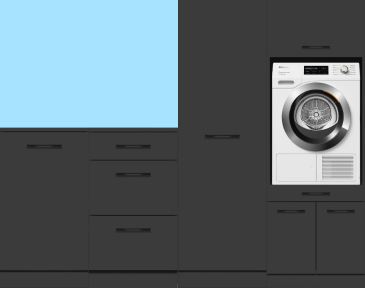
A tidy laundry room helps more than you might think. If you have space to sort clothes neatly after washing, drying and ironing, you prevent linen from ending up creased on a pile after all. Think, for example, of practical tips for organizing your laundry room or suitable utility room storage cabinets for linen and ironing supplies.
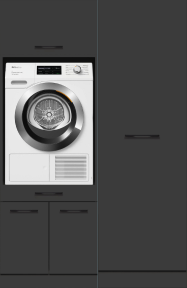
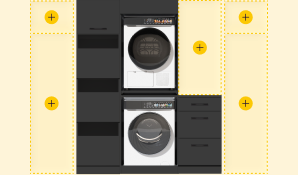
Short on work space? Consider washing machine cabinets with a worktop to fold laundry right away or prepare clothes for ironing.
Looking for more inspiration for a functional laundry corner with room for an ironing station? Take a look at our laundry room ideas.
Frequently asked questions about ironing linen
Why not iron linen?
Because wrinkles are partly part of the fabric's natural look. If you like a casual look, not ironing linen is often perfectly fine. For a neater result, you can iron or steam specific areas.
What's the best way to iron linen?
It's best to iron linen while slightly damp, on a high setting that matches the label, with enough steam. Work from small parts to large areas and preferably iron dark linen inside out.
What temperature do you use for ironing linen?
For 100% linen, a high temperature is often suitable, usually the linen or cotton setting. Always check the label for blended fabrics, as they may tolerate less heat.
Can you iron a linen blouse or not?
Yes, you can iron a linen blouse perfectly well. Whether it's necessary depends on your preference. For a polished look, ironing is recommended; for a more relaxed style, hanging it out well or steaming is sometimes enough.
How do you get creases out of a linen shirt?
Use steam and iron the shirt while it's still slightly damp. Start with the collar and cuffs and then work toward the sleeves, back and front. You can sometimes also reduce light creases with a garment steamer.
Can you iron linen trousers without a crease?
Yes, definitely. For a casual look, simply iron the legs smooth without adding a sharp crease. If you want it more formal, you can line up the legs and press them lightly into shape.

