





Sorting laundry seems simple, but it makes a big difference in how clean your clothes get and how long they stay nice. By smartly dividing laundry by color, fabric, temperature, and dirt level, you prevent discoloration, wear, and unnecessarily high energy costs. Whether you’re searching for how to sort laundry, sorting colored laundry, or just a practical explanation about sorting laundry: with a clear system, doing laundry becomes much easier.
On this page, you’ll learn which types of laundry can be washed together, when it’s better to wash separately, and how to build a fixed routine without hassle. This way, sorting laundry becomes not just a separate task but a logical step in an organized laundry space.
Why sorting laundry is important
You don’t sort laundry just to prevent color transfer. Proper sorting also helps protect fabrics, choose the right wash temperature, and make your detergent work better. A towel simply requires something different than a wool sweater or sports shirt.
Those who don’t sort laundry are more likely to face problems like dull white laundry, shrunken clothes, damaged fibers, or clothes that don’t come out truly fresh from the machine. This difference is especially noticeable with new clothes, delicate fabrics, and heavily soiled textiles.
Proper sorting of laundry practically ensures:
- less chance of discoloration and color transfer
- less wear from friction between different fabrics
- a better fitting wash program per load
- more economical washing through conscious temperature choices
- more clarity in your laundry routine
How should you sort laundry?
The most practical approach is to assess your laundry on four points: color, material, temperature, and degree of dirt. This is the basis of smart laundry sorting. You don’t need to make dozens of piles, but enough distinction to avoid problems.
The quickest order is usually this:
- sort by color first
- then check the fabric type
- check which temperature is safe
- remove heavily soiled laundry
Unsure? Always follow the care label and choose the safest option. For mixed loads, it’s smart to base your choice on the most delicate garment.
Sorting laundry by color
Sorting laundry by color is the first and most important step for most households. Dyes can bleed during washing, especially with new clothes or brightly colored fabrics. This can cause white or light laundry to discolor.
A practical classification is:
- white laundry
- light and mixed laundry
- dark laundry
- bright or new colors separately
White laundry
This includes white T-shirts, shirts, socks, towels, sheets, and other truly white textiles. Cream, ecru, and light beige usually don’t count because those shades can quickly dull white. White laundry stays looking best when kept separate from all other colors.
Light and colorful laundry
These are light colors such as light blue, pink, mint, gray, and other soft shades. Also, multicolored clothing with several light colors often falls into this group. You can usually wash this load together as long as the colors are reasonably colorfast.
Dark laundry
Black, dark blue, anthracite, and dark jeans are best washed together. Dark fabrics can bleed but also attract faded spots faster if washed with lighter laundry. Washing inside out helps keep the color looking good longer.
Washing new clothes separately
New clothes can lose a lot of color during the first wash. This especially applies to red, black, dark blue, and denim items. Therefore, wash these separately or with similar dark colors the first time. If you want to test if something bleeds color, you can rub a damp white cloth over the fabric. If it leaves color, you know enough.
Sorting laundry by fabric and textile type
Besides color, the material is just as important. Jeans, wool sweaters, and sports shirts require different treatment. Sorting laundry by fabric prevents wear, deformation, and lint. This aspect received relatively much attention in the competitive analyses, and rightly so: this is often where things go wrong.
Cotton and sturdy everyday laundry
Cotton is strong and usually tolerates a normal program well. T-shirts, underwear, pajamas, and many bedding items fall into this group. However, pay attention to the recommended temperature on the label, as not every cotton garment can be washed at the same temperature.
Synthetic fabrics
Polyester, nylon, acrylic, and other synthetic materials dry quickly and wrinkle less but often require a gentler program. These fabrics are usually washed at lower temperatures. Avoid washing synthetic clothing together with heavy textiles like towels, as this causes extra friction.
Wool and delicate fabrics
Wool, silk, viscose, lingerie, and fine blouses should be sorted separately. These fabrics are more sensitive to heat, spin force, and friction. Preferably use a wool or delicate wash program and, if necessary, a laundry bag. This reduces the chance of stretching, pilling, or damage.
Sportswear and functional fabrics
Sports shirts, leggings, and other technical fabrics deserve their own wash if you want to keep them in good condition. These materials can retain odors and sometimes contain coatings or stretch fibers that do not react well to high temperatures or the wrong detergent. Therefore, wash them separately or with similar sportswear.
Coarse household textiles
Towels, tea towels, dishcloths, and bedding are heavier and rub more against other fabrics. Therefore, keep them separate from delicate clothing. Especially towels can wear out delicate clothes faster and often cause extra lint.
Sorting laundry by temperature
Sorting laundry by temperature helps you wash safely and efficiently. Not every garment needs to be washed hot. Modern detergents often work well at low temperatures, but for some types of fabric, warmer washing remains useful or necessary.
30°C
Suitable for lightly soiled daily clothes, dark laundry, many synthetic fabrics, and delicate items. This is often the safest choice if you’re unsure. It saves energy and is gentler on colors and fibers.
40°C
A good middle ground for clothes that are a bit more soiled, such as shirts, pants, socks, and children’s clothes. Many normal wash cycles work fine at 40 degrees, provided the label allows it.
60°C
Often suitable for towels, bedding, underwear, tea towels, and other textiles where hygiene is extra important. Always check the label, though, because not everything can be washed at 60 degrees by default.
90°C
You usually don’t use this temperature for normal clothes. However, it can be suitable for very specific hygienic washes or for machine maintenance washes, depending on the appliance and fabric. Use this consciously and not as a standard.
Sorting laundry by degree of soiling
One often forgotten factor is the degree of soiling. Still, sorting laundry by this point is smart. Heavily soiled clothes can transfer odor, dirt, or grease to less dirty items. Moreover, very dirty laundry sometimes needs a more intensive program or pre-treatment.
Therefore, preferably separate:
- lightly worn clothes
- normally soiled daily laundry
- heavily soiled clothes, such as sportswear, workwear, or children’s clothes with stains
If you see obvious stains, treat them first before putting the garment in the machine. This prevents having to wash it again.
Which types of laundry go together?
This question comes up often because no one wants to run a separate wash for every garment. In practice, you can combine smartly as long as color, fabric, and temperature match well.
What usually can be washed together
- dark T-shirts, pants, and socks at a low temperature
- light daily wear made of similar material
- cotton underwear and towels if the label allows the same temperature
- sportswear with other sportswear
What you’d rather not wash together
- white laundry with colored or dark clothes
- towels with delicate fabrics
- wool with cotton or heavy garments
- heavily soiled laundry with lightly soiled clothes
- new clothes with the rest of your laundry
Can you wash underwear and towels together?
That can sometimes be done, but only if the fabric and temperature match. Cotton underwear and towels are both often washed at 60 degrees, making it logical to combine them. Fine underwear, shaping textiles, or lingerie do not belong in that group. You’d better wash those separately or in a laundry bag on a gentler cycle.
Step-by-step plan: sorting laundry in a few minutes
Want a fixed routine? This step-by-step plan makes sorting laundry faster and clearer.
- First make piles for white, light, dark, and delicate.
- Separate new clothes or clothes that may bleed.
- Check labels of doubtful items.
- Remove heavily soiled items from the regular pile.
- Empty pockets and close zippers.
- Turn dark or printed clothes inside out.
- Use a laundry bag for lingerie and other delicate items.
- Then choose the program and temperature.
This approach works well if you are just starting with laundry sorting for beginners, but also if you want to work faster and more consistently.
Handy tips for smarter laundry sorting
- Use multiple laundry baskets or compartments if you have space. This makes sorting laundry in the basket much easier.
- Label baskets as white, dark, colorful, and delicate if multiple people in the house collect laundry.
- Wash jeans, dark clothes, and printed shirts inside out.
- Do not leave wet or sweaty clothes in a closed laundry basket for too long.
- If in doubt between two temperatures, choose only the lower temperature if all items are suitable for it.
- Put delicate fabrics in a laundry bag to prevent damage.
Overview: sorting laundry by category
| Category | What belongs together | Important point of attention |
|---|---|---|
| White laundry | White shirts, socks, towels, sheets | Always keep separate by color |
| Light and colorful laundry | Pastel, light gray, soft colors | Check if new items are colorfast |
| Dark laundry | Black, dark blue, anthracite, dark jeans | Preferably wash inside out |
| Delicate laundry | Wool, silk, lingerie, delicate blouses | Use a gentle program and laundry bag |
| Household textiles | Towels, dishcloths, bedding | Do not mix with delicate clothes |
| Sportswear | Functional shirts, leggings, sports underwear | Preferably wash separately |
Common mistakes when sorting laundry
- Sorting only by color and forgetting fabric type.
- Adding new clothes directly with the rest.
- Washing towels together with delicate clothes.
- Not pre-treating stains and hoping the machine solves everything.
- Overfilling the laundry basket, causing clothes to be less clean.
- Always wash all clothes at the same temperature.
FAQ about sorting laundry
What are 3 ways to sort laundry?
The three most common methods are sorting by color, fabric type, and temperature. In practice, dirt level is often a useful fourth step.
How to sort laundry when you have little space?
Then use a laundry basket with multiple compartments or work with separate laundry bags in one closet or corner. You can also quickly sort into temporary piles just before washing. In a well-organized laundry room, this works much easier.
Do you always have to sort laundry?
Not every load requires extremely precise sorting, but washing without any sorting increases the chance of discoloration and wear. The more delicate, newer, or dirtier the clothing, the more important sorting becomes.
Can light laundry be washed with white laundry?
Usually, that is not advisable. Light gray, beige, or pastel may seem harmless but can dull white laundry. Therefore, it’s best to keep true white separate.
What about stickers for sorting laundry or labels on laundry baskets?
If you want to build a fixed system, stickers or labels on laundry baskets can be helpful. Especially in families or shared households, this makes it easier to sort correctly right away.
What is the easiest way to keep up with sorting laundry?
Keep the system simple. For example, work with fixed categories like white, dark, colored, and delicate. The less you have to figure out during washing, the more likely you are to stick with it.
An organized laundry room makes sorting laundry easier.
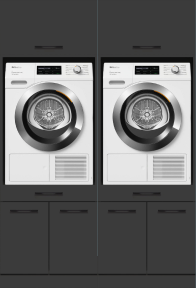
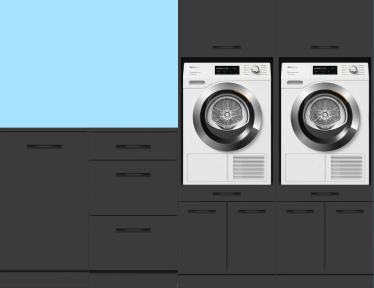
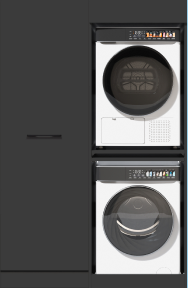
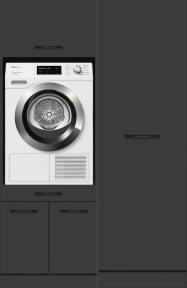
Good laundry sorting starts not only with knowledge but also with organization. If your laundry room is logically arranged, sorting takes less time and your routine is easier to maintain. Think of fixed spots for dark laundry, white laundry, and delicate clothing, or a wall of cabinets for the laundry room. You can assemble such a cabinet wall for the laundry room where detergents and laundry accessories are neatly stored. Do you like to pre-sort? Then choose cabinets with integrated laundry baskets so white, color, and delicate items stay separated.
At Wasdroom, it's all about a neat and organized laundry room. This makes sorting laundry easier in daily use. Not because a separate sorting system is needed, but because structure in your space often automatically leads to structure in your laundry routine. If you want to set up your laundry room with a washing machine cabinet, a practical layout with enough storage space helps. If you have less space available, see how to optimize a small laundry room with a cabinet to make the most of your square meters. Want extra organization? Add modules like cabinets with drawers to keep delicate laundry, socks, or laundry bags separate.

