

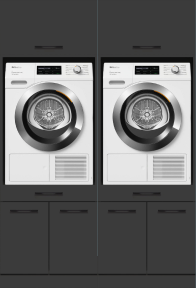
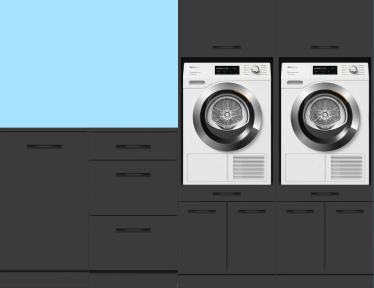
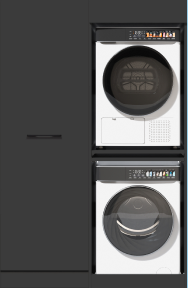
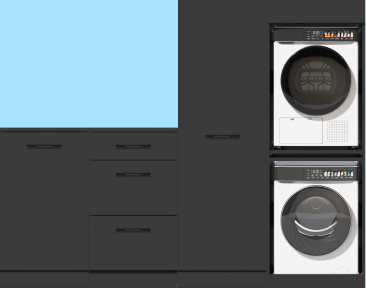
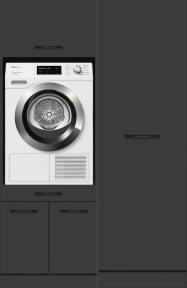
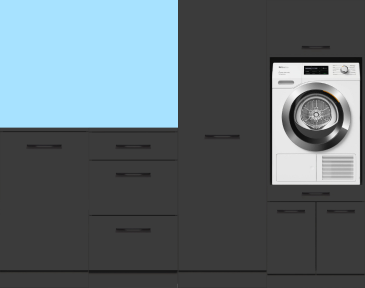
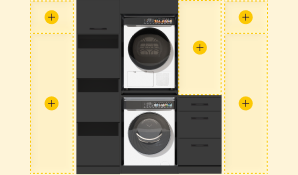

Yes, you can connect a washing machine and dryer to the same drain. The most commonly used solutions are a dual drain, a Y-piece, or a T-piece. It is important that your drain has sufficient capacity, your hoses are securely fastened, and you use a reliable odor and backflow stopper. Below you will read which solution to choose, what to watch out for in terms of dimensions, and how to install it smartly and safely. Also pay attention to the electrical and water safety in a washing machine cabinet; see the requirements for electricity and water in a washing machine cabinet.
Which solution to choose: T-piece, Y-piece, or dual drain?
- Y-piece (recommended for limited space) – Splits the standpipe into two inlets at a favorable angle. This allows water to flow away more easily and reduces the chance of backflow. Handy when the dryer and washing machine are next to each other. Use hose clamps and a sealing rubber to prevent sewer odors.
- T-piece (for direct branching) – A compact solution if you need to branch off at a right angle. Works fine, but the discharge angle is sharper than with a Y-piece. Ensure sufficient height of the standpipe and preferably install a check valve to prevent backflow.
- Dual drain set – Complete set with two connection points, often including an odor stop and backflow prevention. This ready-made solution keeps the setup neat and limits the risk of leakage or sewer odor. A dual drain is ideal if you want both the washing machine and dryer to permanently drain into the same outlet.
Unsure between a Y-piece or T-piece? Preferably choose a Y-piece for smoother flow. Always use quality hose clamps and check if the set includes a good sealing rubber or siphon to avoid odor nuisance. This way, the dryer and washing machine on the same drain will work safely and trouble-free.
Requirements for your drain and setup
- Drain diameter – 40 mm is the standard size for a shared drain. Older or narrower pipes increase the risk of clogging.
- Standpipe height – Guideline: 60 to 100 cm above the floor. Too low increases the risk of siphoning, too high makes drainage difficult. See the correct height for the washing machine drain to prevent backflow and siphon problems.
- Hose length – Keep the drain hose as short as possible; up to about 1.5 meters is a safe guideline. Avoid kinks and sharp bends. Read more about the maximum distance from washing machine to drain. Also check how much clearance you need behind the machine to prevent kinks — see space behind the washing machine in a cabinet.
- Odor and backflow protection – Use a siphon with water seal and/or sealing rubber. A check valve prevents water from one appliance flowing back into the other.
If you place the set in a cabinet, consider a drip tray under the washing machine for extra security with a shared drain. Looking for a suitable cabinet solution? Check out our built-in cabinets for washing machine and dryer.
Heat pump dryer on the drain: necessary or not?
A heat pump dryer does not necessarily need a drain; you can also keep emptying the condensate container. If you want less maintenance, connect the condensate drain hose to the same drain as your washing machine via a Y- or dual connection. Check in the menu whether the drain option needs to be activated, lay the hose without kinks, and secure it with a clamp and sealing rubber against leaks and odors. If you place the appliances in a cabinet, follow the manufacturer's instructions and ensure sufficient ventilation and drainage capacity.
Frequently Asked Questions
Can a washing machine and dryer share the same drain?
Yes. With a Y-piece, T-piece, or dual drain, you can connect both appliances to one drain point. Ensure sufficient drain diameter, correct standpipe height, and a good odor and backflow stopper.
Is an intermediate piece needed between washing machine and dryer?
In practice, yes. You use a Y-piece, T-piece, or a complete dual drain to connect two hoses to one drain. A Y-piece often offers the best flow. Want to stack the dryer on top of the washing machine in a neat and safe setup? Then read our guide washing machine and dryer stacked in a cabinet.
How do I prevent sewer odors or backflow?
Use a siphon with water seal or sealing rubber, secure hoses with clamps, and preferably choose a dual set or Y-piece. Periodically check for dirt and blockages.

