

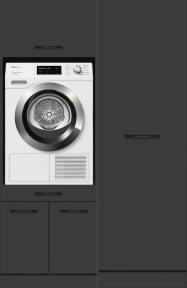
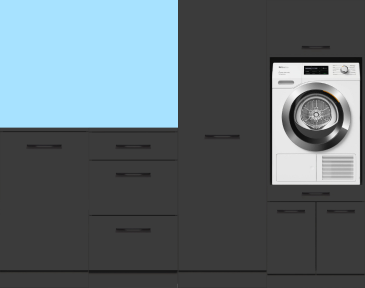
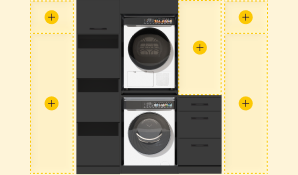

The correct drain height prevents leaks, malfunctions, and a siphoning empty drum. This guide provides immediately applicable measurements for a setup in a washing machine cabinet, plus practical tips to avoid problems and neatly manage your pipes.
Basic rules from the manual
Almost all manufacturers specify a range for the drain height, often 60 to 100 cm measured from the floor to the top edge of the standpipe or coupling. Within this range, the pump works efficiently and prevents water from flowing back. Always check the specific requirements in your manual, as some models pump internally upwards first and are therefore a bit more flexible. If there is a maximum of 100 cm, do not exceed it and also avoid the drain being lower than the bottom of the tub to prevent siphoning. Practical steps and checks can be found in the installation manuals for washing machine cabinets (drain and supply).
Ideal drain height in a cabinet
Recommended setting and why
For a washing machine in a cabinet, a drain pipe top edge around 80 to 90 cm works best in practice. Higher than 100 cm increases the load on the pump and can cause malfunctions. Too low increases the chance of siphon effect, where the drum unintentionally empties. Place the hose with a fixed bend gradually upwards and secure it in the standpipe. Combine this with enough space behind the cabinet so the hose doesn’t kink when the machine vibrates or shifts. For layout and piping tips, see Setting up laundry space: optimal drain height and piping.
Recommended heights at a glance
| Component | Recommended size | Explanation |
|---|---|---|
| Top edge of drain pipe | 80 - 90 cm from the floor | Within most factory margins and prevents siphoning |
| Wall tap | ± 120 cm from the floor | Remains above splash level and is easily accessible |
| Power outlet | ± 130 - 150 cm from the floor | Preferably 10 cm above the tap or drain |
| Space behind cabinet | ≥ 5 cm | Prevents kinks in the hose and pinching of pipes |
| Standpipe diameter | 40 mm | Use a siphon and securing clip for the hose |
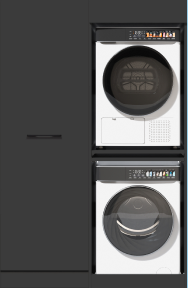
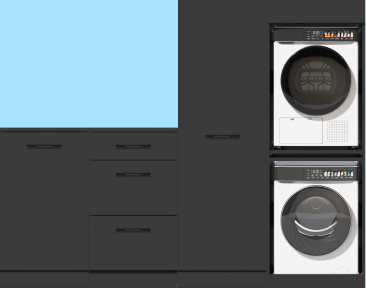
Are you stacking the washing machine and dryer? When stacking, the outlet height changes; check the Stack series: placing washing machine and dryer at height for the correct drain height in a tower setup.
Preventing siphon effect
How to recognize siphoning
If the drain is too low, the washing machine may slowly lose water after filling. You won’t hear the pump, but the water level will still drop. Sometimes air also enters through the hose, causing a bubbling sound in the drain. This mainly happens when the hose first runs downward, creating a natural siphon between the drum and the drain.
Solutions for a cabinet setup
- Raise the drain pipe: aim for 80 - 90 cm and stay within the manual’s margin.
- Run the hose upward first: let it run higher than the tub bottom before entering the standpipe.
- Use a siphon and securing clip: prevent back-suction and the hose coming loose.
- Avoid kinks: ensure a wide bend and enough space behind the cabinet.
- Check ventilation: a poorly ventilated drain can cause suction. A vent or aerator can help.
If this doesn’t help, check your model’s manual. Some machines pump water internally upward first, making them less sensitive to a lower external drain. In other cases, moving the drain point or adjusting the standpipe is the best structural solution.
Working with a niche and need to relocate the drain? Put together your own combination in the configurator.
Placement tips and hose extension
Extending the hose without problems
Only extend the drain hose with a suitable coupling set and keep the total length as short as possible. Avoid extra height and sharp bends, as these increase back pressure. Secure all connections with hose clamps and test for leaks. Preferably connect to a standpipe with a siphon instead of directly to a siphon under the sink to prevent backflow and odors.
Space, vibration, and cabinet choice
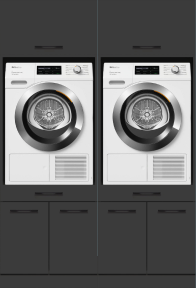
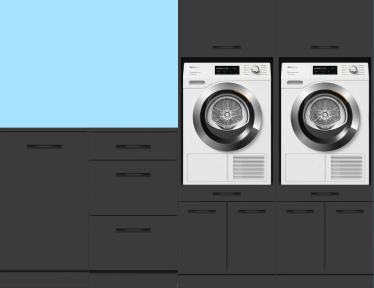
Leave some clearance around the machine for vibrations and maintenance, and keep at least 5 cm space behind the cabinet for pipes. With a Wasdroom washing machine cabinet, you get practical benefits like anti-slip mats for stability, soft-close doors, and a sturdy load capacity up to 240 kg (Double) or 120 kg (Single and Stack). Check suitable models at View Washing Machine Cabinets (heights and plinth solutions). If you have an unusual drain position, you can put together your own combination that suits your plumbing via the Configurator: determine cabinet size and drain position.
Frequently Asked Questions
What is the minimum and maximum drain height?
Usually 60 to 100 cm from the floor, depending on your model. Stay within the manual’s range and aim for 80 to 90 cm for cabinet setups.
Can the drain be higher than the washing machine?
Yes, as long as you stay within the maximum height specified by the manufacturer. Do not exceed 100 cm if that is the specified limit.
What if my drain is too low, for example 50 cm?
Raise the standpipe or let the hose run upward first and secure it. If siphoning continues, move the drain point to 80 to 90 cm.
How far can the drain hose be?
Keep it as short as possible. Only extend with suitable sets and avoid extra bends and height, otherwise pump pressure increases and the risk of malfunction rises.

